Due diligence · 8 min read
The 12-point due-diligence checklist for Idaho acreage
The questions that separate a sound purchase from an expensive surprise, in one order of operations.
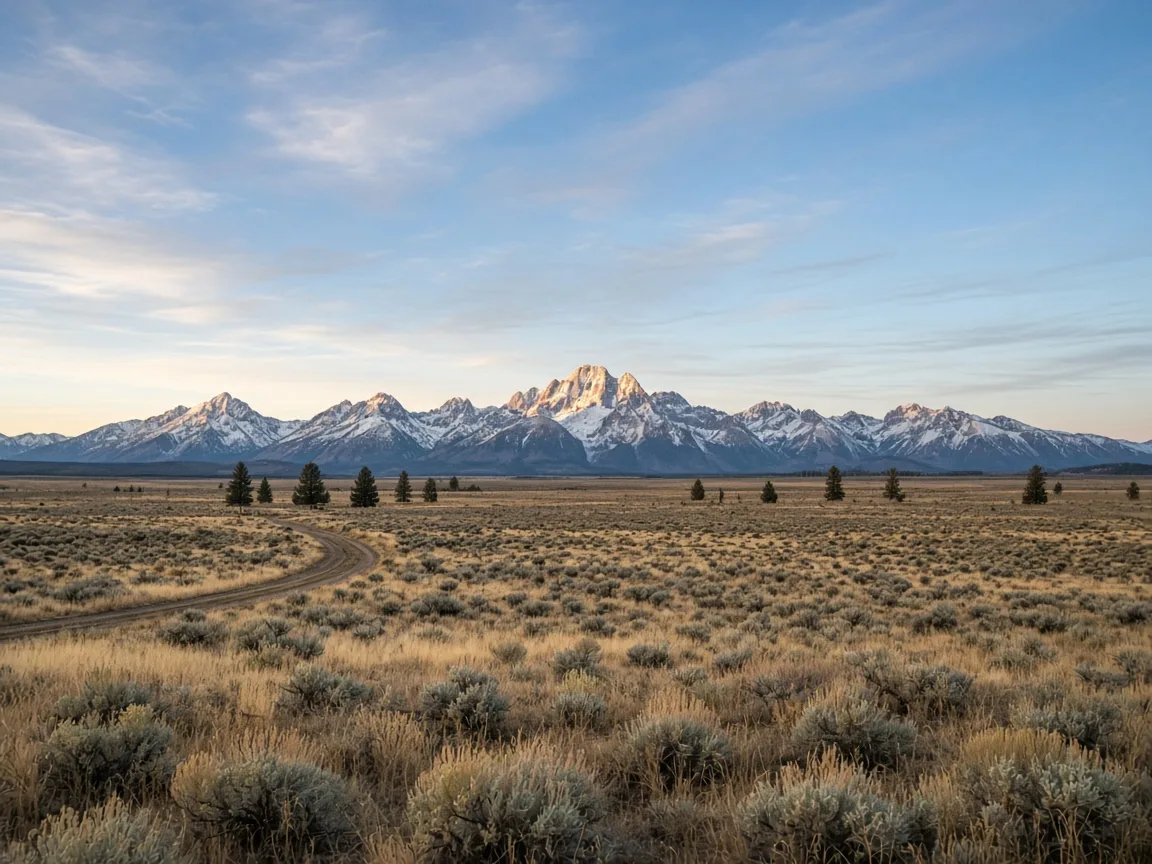
Access, water, soil, and zoning decide whether acreage is buildable, usable, and worth what you are paying. Work the checklist before your earnest money feels like a hostage.
1 through 4: the title and access picture
Pull the title and read it, not just skim it. Confirm the seller holds the land free of liens, then map legal access: a recorded easement, a public road, or a private road with a written maintenance agreement. A parcel you cannot legally reach is a problem no view fixes.
Note any easements across the property that let neighbors, utilities, or irrigation districts cross your ground. Ask whether the access road is shared, who maintains it, and what happens in a deep snow year.
5 through 8: water, soil, and the build envelope
Verify the water story end to end: well existence and depth, water-right permits and licenses, and whether any irrigated acreage carries a valid attached right. Separate the domestic well you can have by right from the full water-right you cannot simply buy later.
Order soils and septic reality through the health district's test holes, and get the well log if one exists. Then confirm zoning, building setbacks, floodplain, and wetlands so you know exactly where a house can legally stand.
9 through 12: costs, utilities, and the numbers
Itemize every improvement cost the parcel is missing: well and septic, power run, driveway and gravel, fencing, and outbuildings. Cross-check them against your financing plan, because a lender's loan amount assumes the property is usable.
Finally, re-read the purchase agreement with an eye to contingencies: due-diligence windows, water and soil contingency language, and what happens if the well or septic fails inspection. Good contingencies convert discovery into leverage instead of regret.
Do it in order
Work the checklist in sequence rather than skipping ahead. Title and access failures can kill a deal outright, water and soil problems change the price, and cost reality changes the financing. Handle them in that order and a backyard farmer make sense of an intimidating process.

Curated by
Nate Swift
A licensed Idaho agent who helps buyers work the due-diligence list on acreage, from water rights to wells, septic, and the numbers that make land livable.
Read moreKeep reading
More field guides
Due diligence
Water rights on rural Idaho land, explained
In Idaho, water is owned by the state, not the landowner. Here is what that actually means when you are buying acreage.

Budgeting
Wells and septic: the real cost of being on acreage
Running water and a working septic system rarely come with raw land. Budget for them honestly before you make an offer.
Planning
How many acres do you actually need?
Five, twenty, or eighty acres: each size buys a different life. Match the parcel to what you really want from the land.