Budgeting · 6 min read
Wells and septic: the real cost of being on acreage
Running water and a working septic system rarely come with raw land. Budget for them honestly before you make an offer.
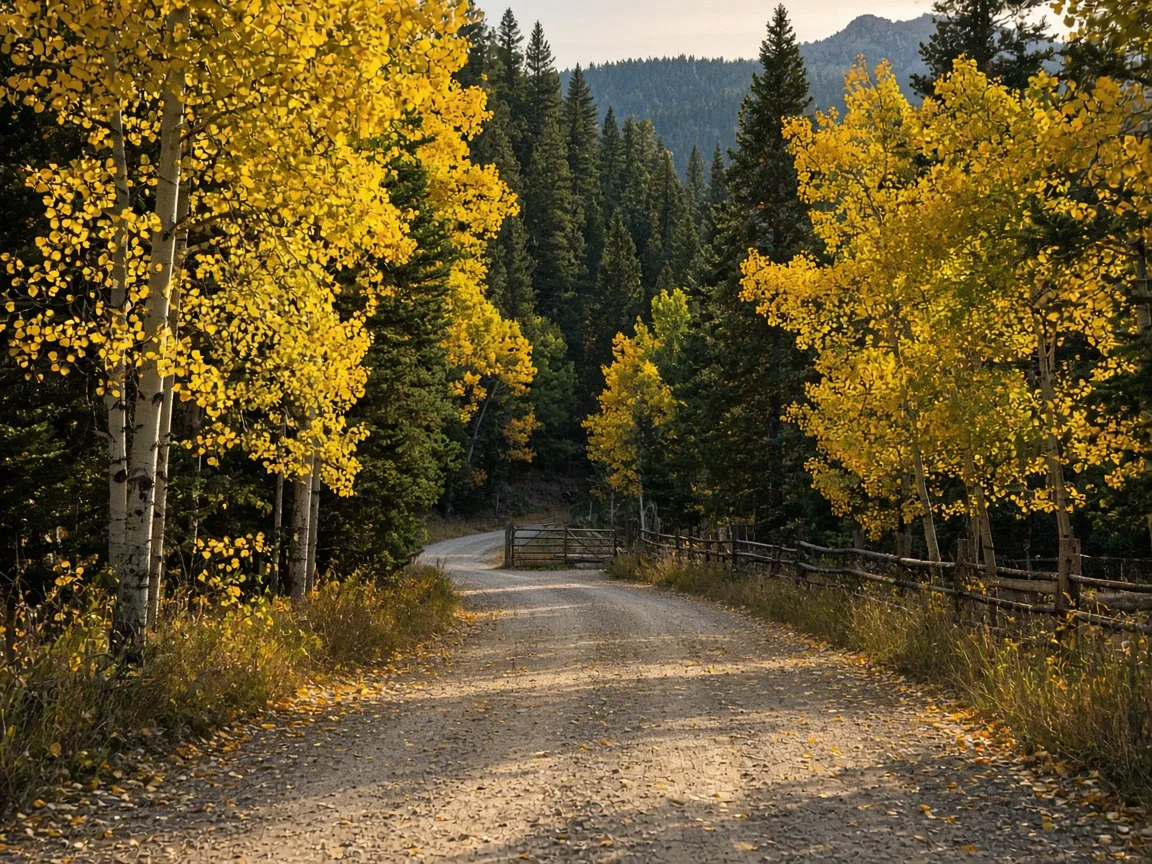
Budgeting well and septic together typically lands in the tens of thousands, often $18,000 to $45,000, and can go higher in difficult terrain. Here is how the costs break down.
The well
Every well in Idaho needs a drilling permit from the Idaho Department of Water Resources and must be built by an Idaho-licensed well driller. The domestic drilling permit fee is about $75.
Drilling itself runs roughly $28 to $65 per foot, and Idaho wells average around 200 feet deep, though 50 and 600 foot depths are both common. A typical residential project lands near $8,400, and a very deep well in mountain terrain can run far more before you add the pump, casing, and water-quality testing.
The septic system
An individual septic system needs a permit from your local public health district, which starts with a site and soil evaluation, test holes, and a perk test to size the drain field. If the soils are shallow, rocky, or wet, an alternative system such as a mound or sand filter will be required, and it costs more.
A conventional installed system typically runs about $10,000 to $20,000, with alternative systems from roughly $14,000 to $25,000. Health district permit fees add on top.
Rule of thumb for a raw parcel
Combining a new well and septic on a raw acreage parcel commonly lands between $18,000 and $45,000 depending on well depth, water yield, soil percolation, and terrain. On difficult mountain or rocky ground the range can extend well beyond that.
The cheapest way to reduce this risk is site-specific: get quotes from licensed drillers and registered installers for the exact parcel, and read the well and septic disclosures on existing homes before you count them as done deals.
Remember the separation rules
Idaho's construction rules set real distances between a well and a septic system, generally at least 100 feet from a drain field and 50 feet from a septic tank. On a small, oddly shaped parcel these setbacks can eat into the buildable area, so it pays to understand them before you size a homesite.

Curated by
Nate Swift
A licensed Idaho agent who helps buyers work the due-diligence list on acreage, from water rights to wells, septic, and the numbers that make land livable.
Read moreKeep reading
More field guides
Due diligence
Water rights on rural Idaho land, explained
In Idaho, water is owned by the state, not the landowner. Here is what that actually means when you are buying acreage.
Planning
How many acres do you actually need?
Five, twenty, or eighty acres: each size buys a different life. Match the parcel to what you really want from the land.
Money
Financing raw land vs. homes with acres
Banks lend differently for raw ground and for a house on acreage. The financing choice shapes how fast you close and how much you lay out.