Money · 6 min read
Financing raw land vs. homes with acres
Banks lend differently for raw ground and for a house on acreage. The financing choice shapes how fast you close and how much you lay out.
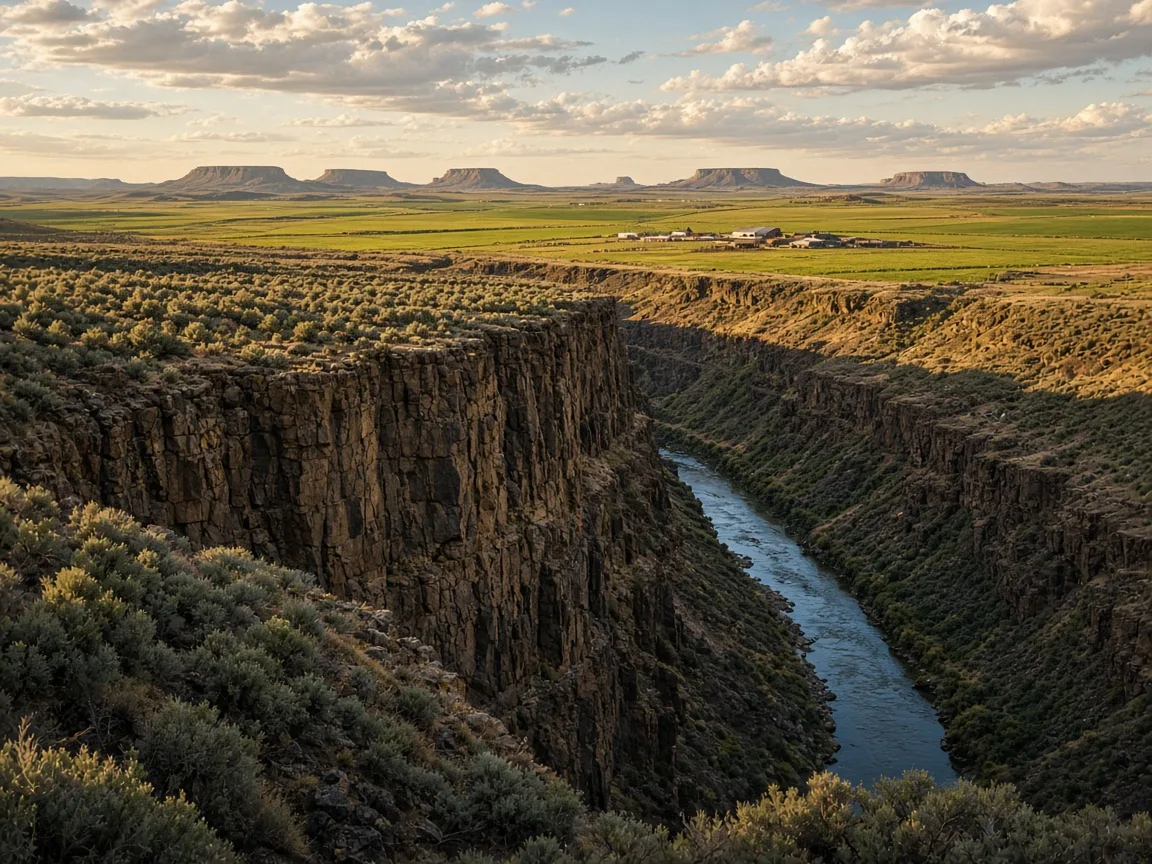
A mortgage on a home with acreage behaves mostly like a normal home loan. Financing raw, unimproved land is a different animal with higher rates and bigger down payments.
Homes with acres borrow like homes
When there is a house on the land, most buyers use a conventional or USDA-backed home loan, and the acreage rides along with it. Since the house secures the loan, rates and down payments look familiar, and the appraiser simply accounts for the land that supports the property.
The key precondition is that the land is usable and appraisable as part of the home: water, septic, legal access, and a buildable site. Lenders want to see the well and septic on record or tied into the purchase.
Raw land is a tougher loan
Raw, unimproved ground is riskier collateral, so lenders typically ask for a larger down payment, often a third or more, charge higher rates, and set shorter terms with a balloon. Some of the best pricing comes through agricultural lenders and farm credit sources that understand ground rather than rooftops.
If your plan is to buy the land, then build later, you have three options: buy in cash and finance the build, use a land loan then convert to a construction loan, or structure it as a build-to-perm package where permitted.
The practical order of operations
Get pre-approved before you fall in love with a parcel, and know whether you are carrying land or a home loan. Confirm the well and septic situation early, because a sticker-shock quote on a deep well can change your budget and your financing.
Then line up your driller and installer estimates alongside the lender's requirements, so the numbers you present to the bank reflect the real cost of making the parcel livable.
Questions for your lender
What down payment and rate apply to this property as either raw land or a home with acreage?
Will the value of irrigated ground and water rights be reflected in the appraisal?
Can the loan roll into a construction loan, or will I need separate financing for the build?
What is the true timeline from offer to closing in this county?

Curated by
Nate Swift
A licensed Idaho agent who helps buyers work the due-diligence list on acreage, from water rights to wells, septic, and the numbers that make land livable.
Read moreKeep reading
More field guides
Due diligence
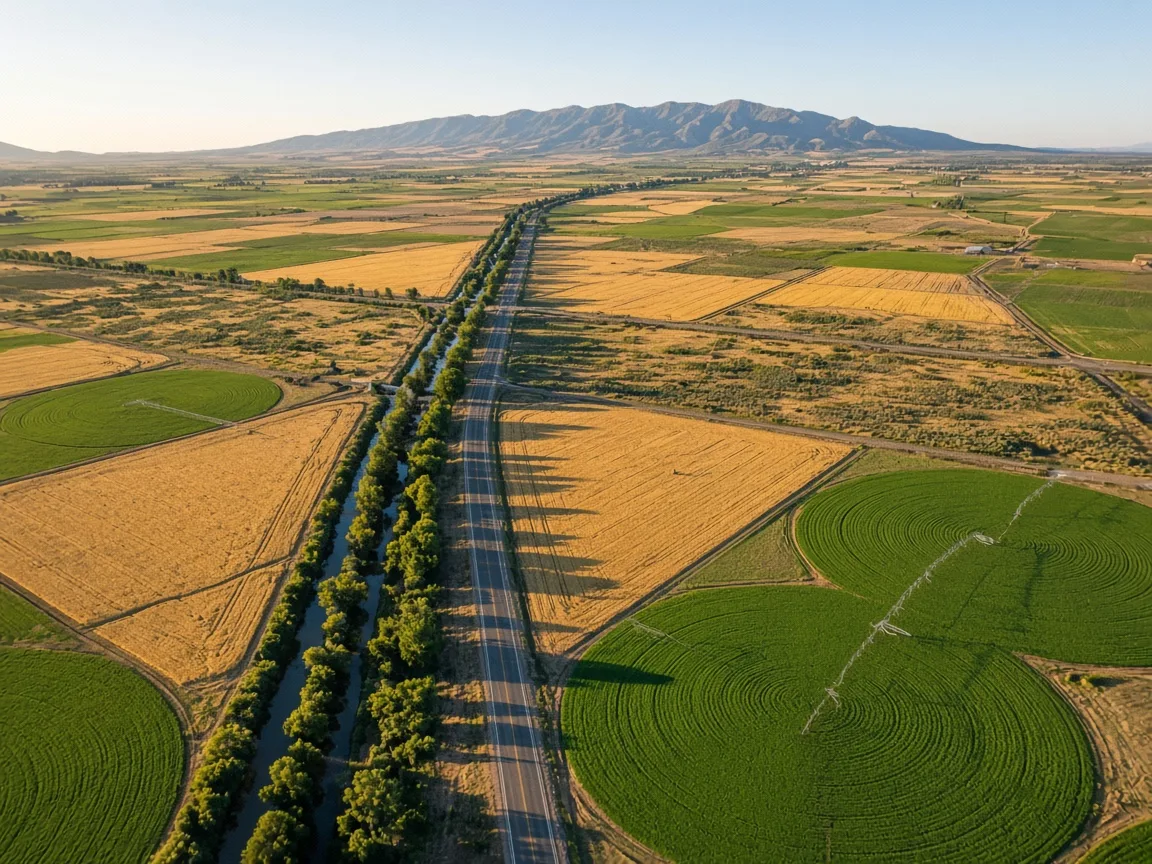
Water rights on rural Idaho land, explained
In Idaho, water is owned by the state, not the landowner. Here is what that actually means when you are buying acreage.

Budgeting
Wells and septic: the real cost of being on acreage
Running water and a working septic system rarely come with raw land. Budget for them honestly before you make an offer.
Planning
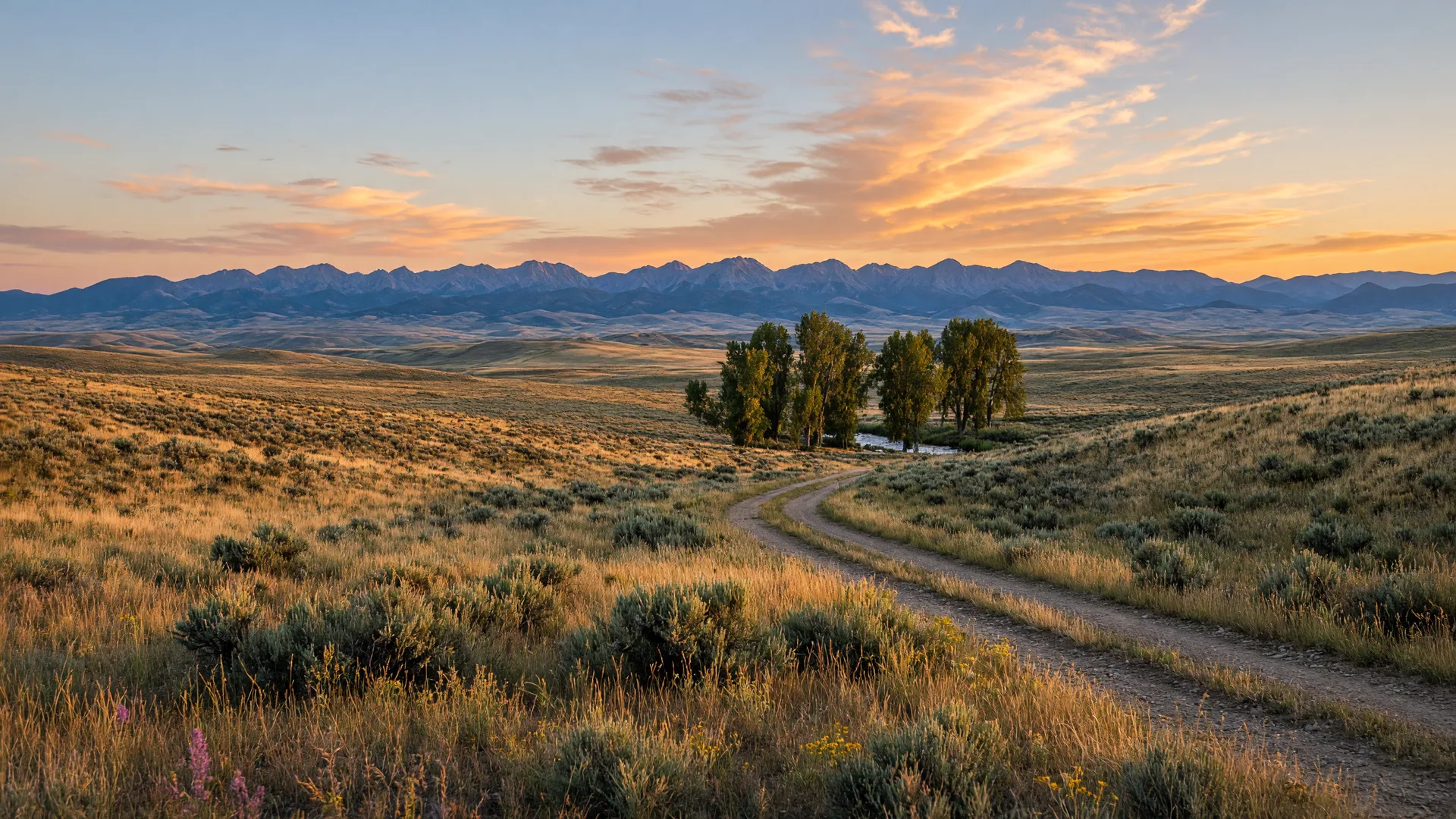
How many acres do you actually need?
Five, twenty, or eighty acres: each size buys a different life. Match the parcel to what you really want from the land.