Planning · 6 min read
From horse property to hobby farm: what the land needs
Good pasture, safe fencing, and water you can move. Here is how to read a parcel through a horse's eyes before you buy it.
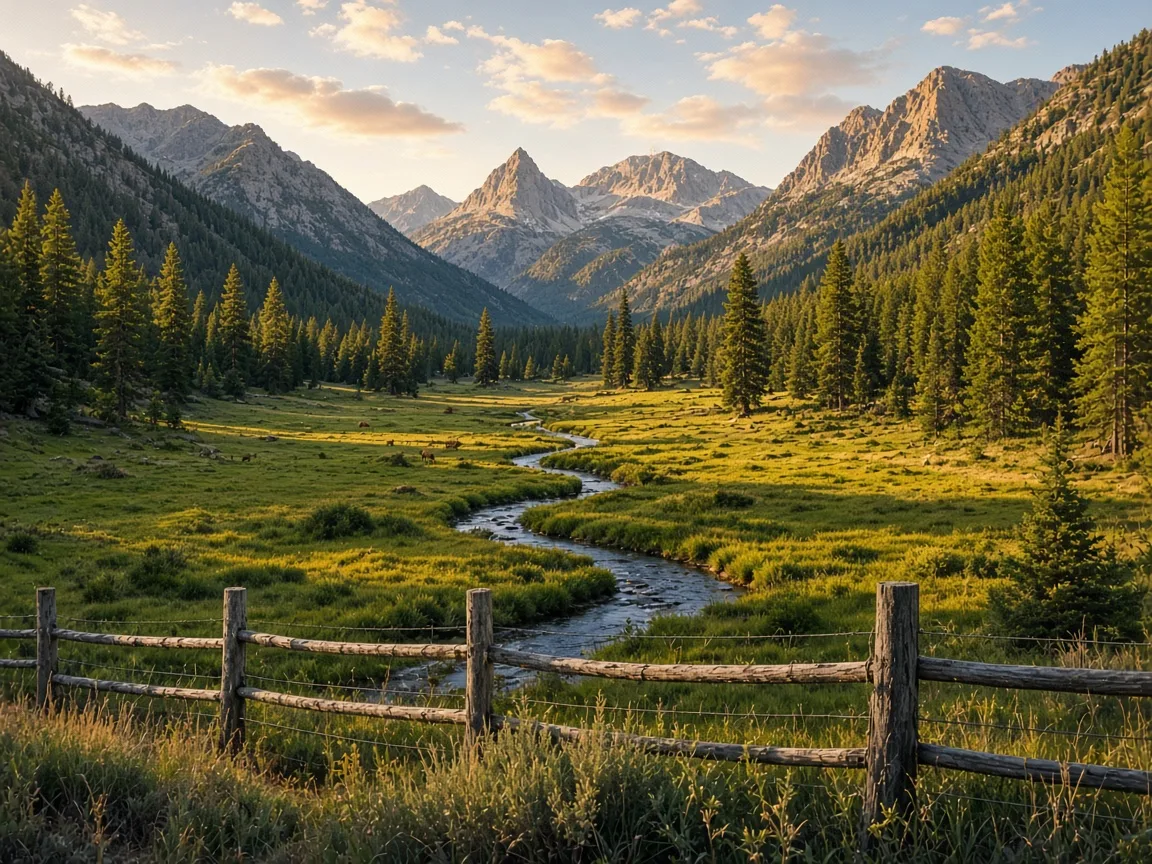
Horses are habitat first and a hobby second. The best horse property is flat enough for dry footing, fenced with safe material, and watered by sources you can count on in winter.
Start with footing and drainage
Horses spend their days on their feet, so footing is the first question. Look for a building site and pasture on ground that drains: gentle slopes, sandy or loamy soil, and no boggy low spots that turn to mud each winter. Perched water and heavy clay show up as deep hooves prints and standing water after rain.
Flat-bottomed pastures trap moisture, so a parcel that drains away from the loafing sheds and gates will save you hours of mucking and keep your herd sound.
Fencing is a safety purchase
The safest horse fence is visible, solid, and forgiving: board or vinyl rail, high-tensile smooth wire, or permanent tape. Barbed wire and woven field fence are the two most common hazards on older acreage, and both can badly injure a horse that spooks against them.
Walk the full fence line before you buy and budget a real number for repairing or replacing it. A few acres of tired fence can become a several-thousand-dollar project before a single horse steps on the place.
Water you can trust all winter
Horses need reliable water every day of the year, so the water source is the make-or-break detail. A domestic well is the workhorse choice, and it is exempt from the full water-right permitting for home, garden on up to about half an acre, and livestock use.
Ask the hard winter questions: how deep is the well, what does it yield in August, and where does the heated waterer sit relative to power and the drain? Winter water is where remote acreage fails its owners.
The bigger picture
Beyond the basics, think in paddocks, not one big field: pasture rotation keeps ground from being grazed into dirt. You will want at least a few divided paddocks with a loafing shed and run-in, plus room for a hay barn and a place to park equipment.
If you are new to acreage, buy the infrastructure a used operation already has: cross-fencing, a working waterer, a stout barn. Rebuilding what was never there is the fastest way to blow a hobby-farm budget before the first foal arrives.

Curated by
Nate Swift
A licensed Idaho agent who helps buyers work the due-diligence list on acreage, from water rights to wells, septic, and the numbers that make land livable.
Read moreKeep reading
More field guides
Due diligence
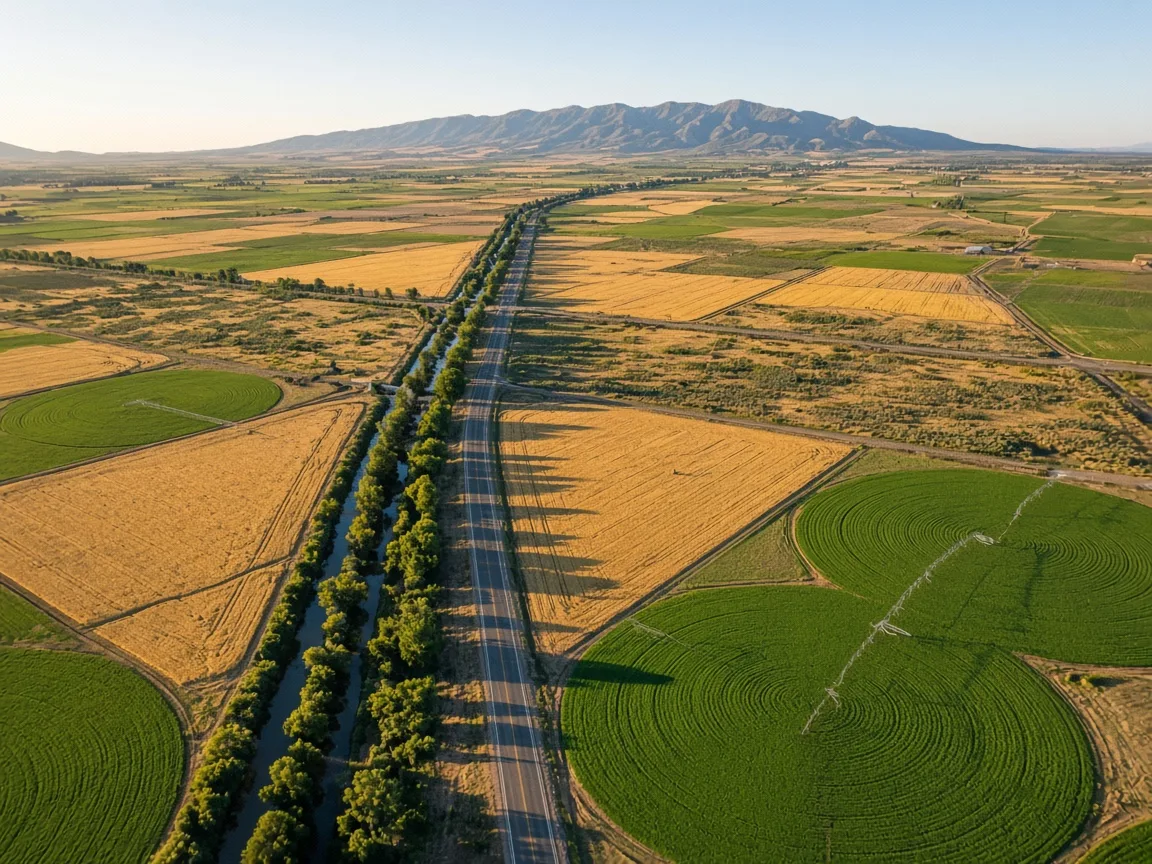
Water rights on rural Idaho land, explained
In Idaho, water is owned by the state, not the landowner. Here is what that actually means when you are buying acreage.
Budgeting
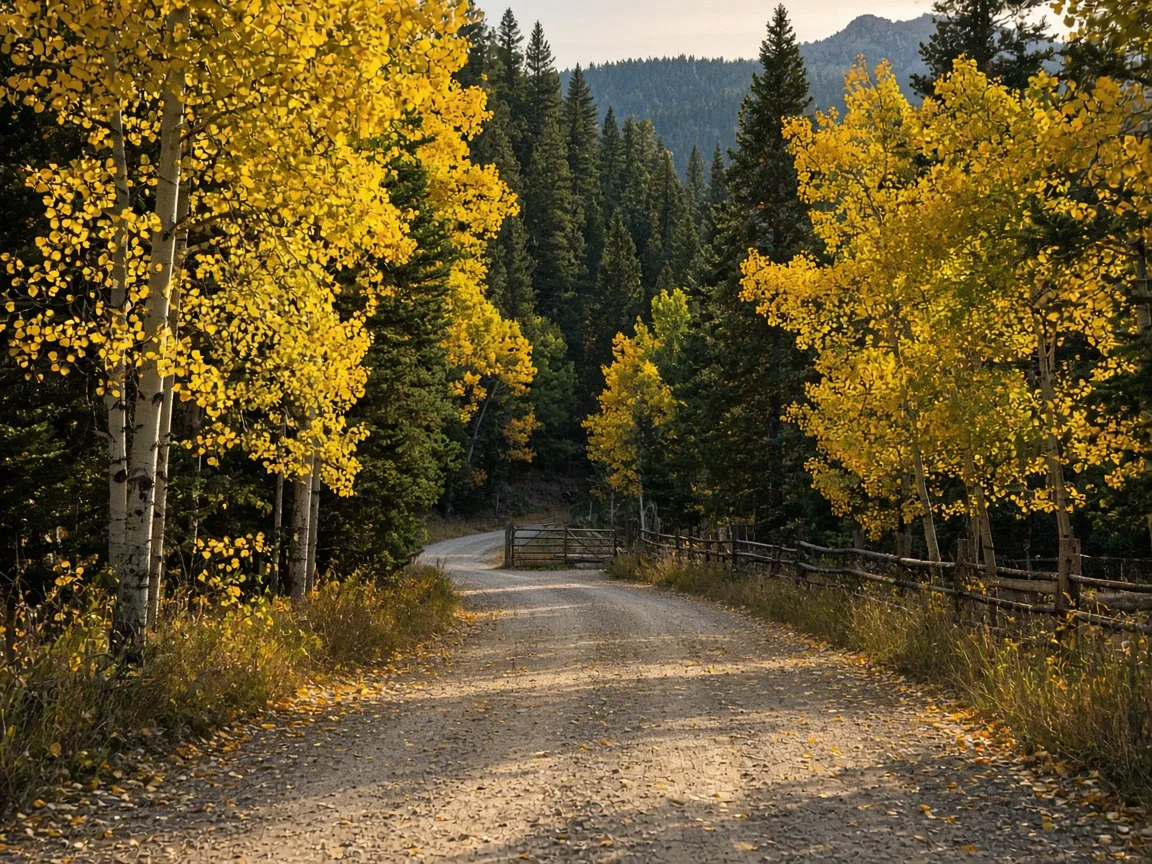
Wells and septic: the real cost of being on acreage
Running water and a working septic system rarely come with raw land. Budget for them honestly before you make an offer.
Planning
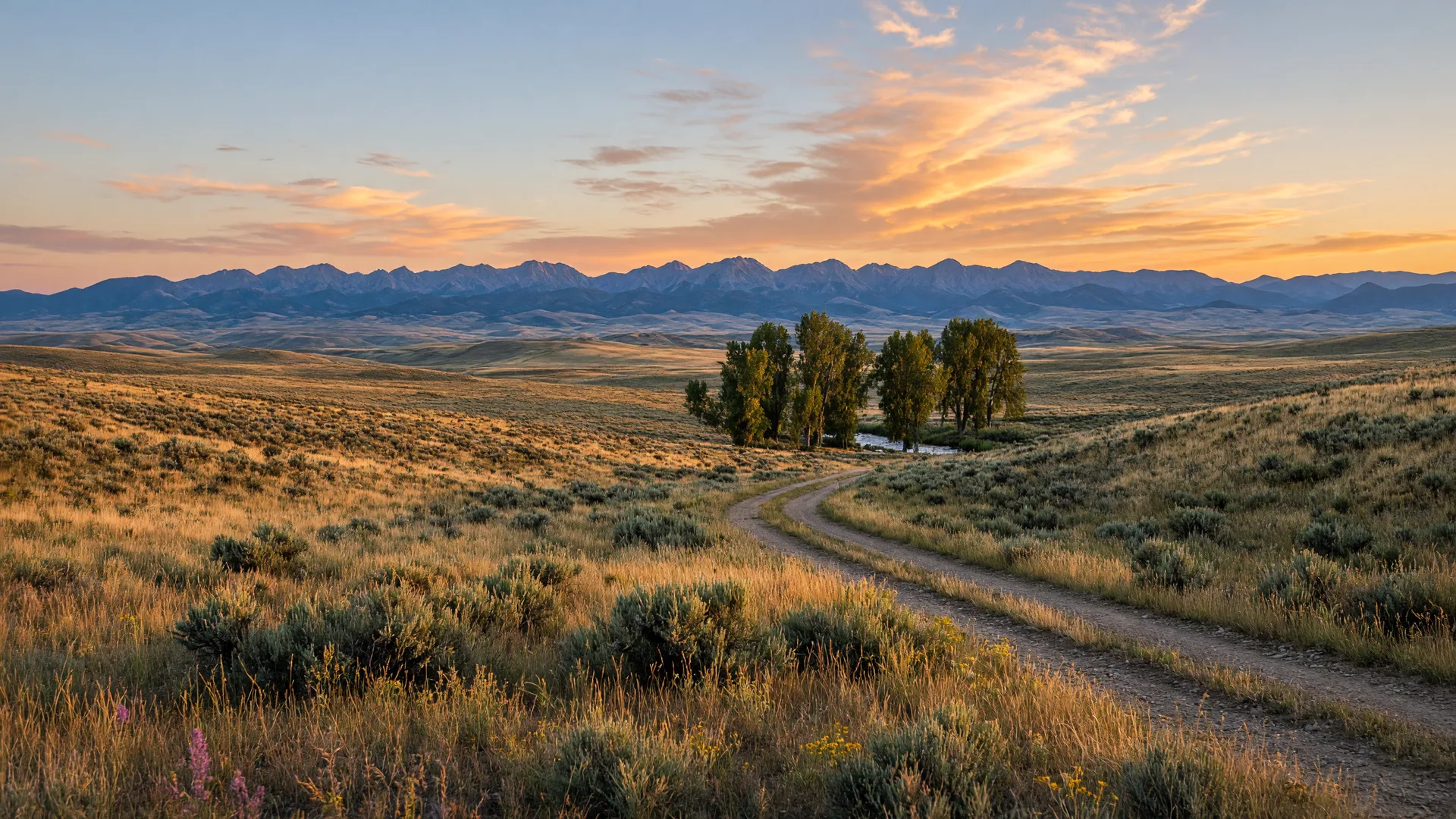
How many acres do you actually need?
Five, twenty, or eighty acres: each size buys a different life. Match the parcel to what you really want from the land.